
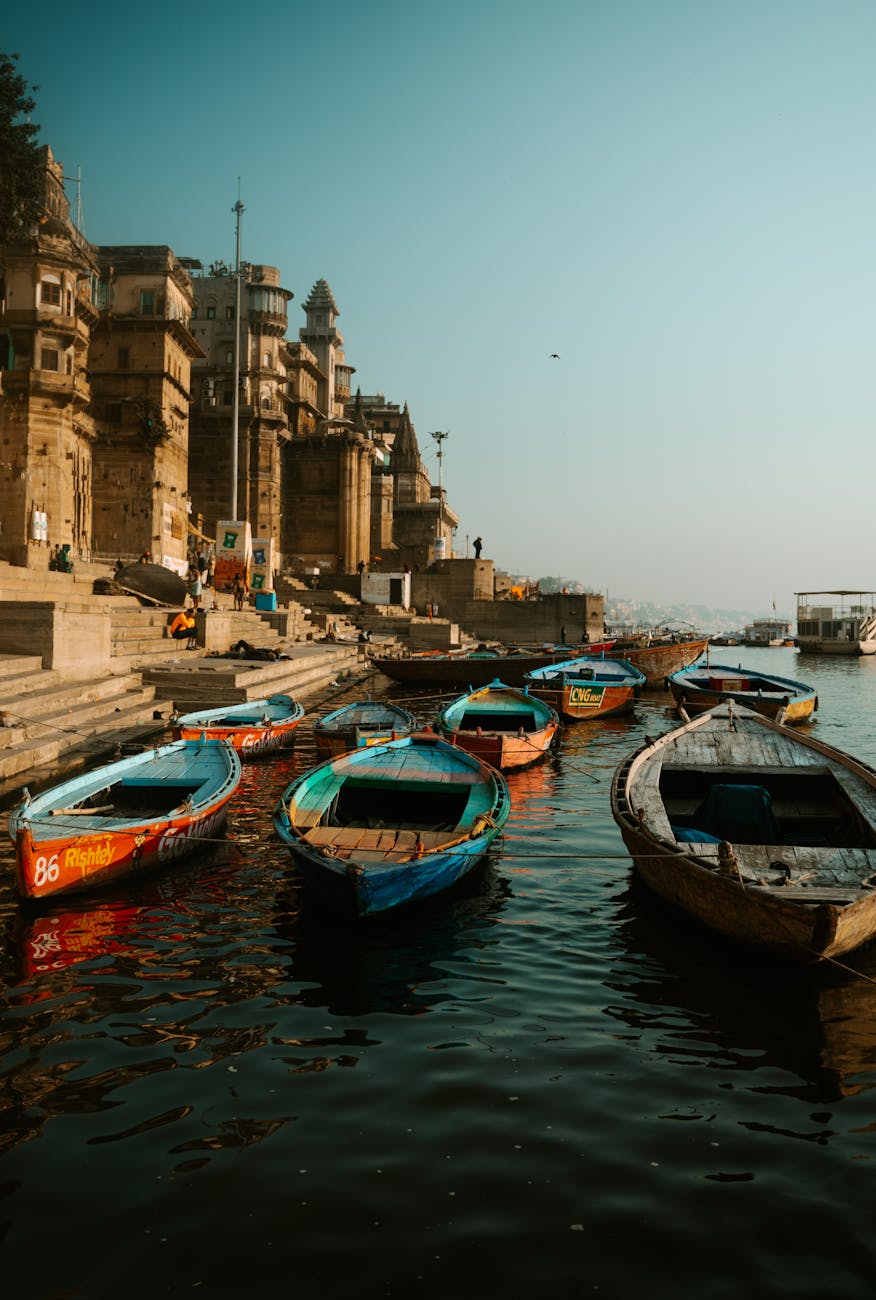
Ultimate Varanasi Travel Guide : Have you ever wondered what it feels like to step into a city where time seems to stand still? Varanasi, also known as Banaras or Kashi, is one of those rare destinations that touches your soul the moment you arrive. This ancient city, nestled along the sacred banks of the Ganges River, isn’t just a place on the map—it’s an experience that awakens your senses and challenges your perception of life and spirituality.
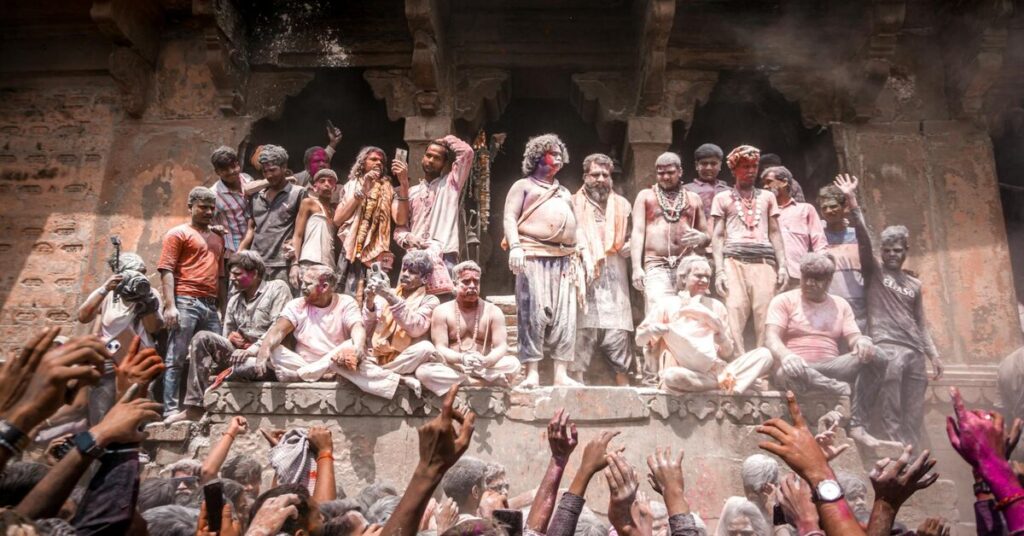
Why Varanasi is Called the Spiritual Capital of India
Varanasi holds a special place in the hearts of millions of Hindus worldwide. It’s believed that dying here and being cremated on the ghats grants moksha, or liberation from the cycle of rebirth. The city pulses with spiritual energy, from the chanting of mantras at dawn to the mesmerizing Ganga Aarti at dusk. Pilgrims from across the globe flock here to bathe in the holy Ganges, seeking purification and blessings.
But Varanasi isn’t just for the spiritually inclined. The city embraces everyone—photographers capturing golden hour moments, history buffs exploring ancient temples, food lovers savoring legendary street food, and curious travelers simply wanting to witness something extraordinary.
Brief History of the Ancient City
Varanasi is often cited as one of the oldest continuously inhabited cities in the world, with a history stretching back over 3,000 years. Mark Twain once wrote that Varanasi is “older than history, older than tradition, older even than legend.” The city has been a center of learning, philosophy, and art for millennia. It’s the birthplace of many saints and scholars, and Lord Buddha himself delivered his first sermon in nearby Sarnath around 528 BCE.
Throughout its long history, Varanasi has witnessed the rise and fall of empires, yet it has maintained its unique character and spiritual significance. The narrow lanes echo with stories of poets, musicians, and mystics who found inspiration in this timeless city.
Best Time to Visit Varanasi
Weather Considerations Throughout the Year
Timing your visit to Varanasi can make all the difference in your experience. The best time to explore this ancient city is between October and March when the weather is pleasant and comfortable for sightseeing. During these months, temperatures range from 5°C to 25°C, making it perfect for early morning boat rides and walking through the bustling streets.
Summer months (April to June) can be brutally hot, with temperatures soaring above 45°C. Unless you’re comfortable with intense heat, it’s best to avoid this period. The monsoon season (July to September) brings heavy rainfall, which can disrupt travel plans, though some travelers appreciate the lush greenery and fewer crowds during this time.
Festival Season and Peak Tourist Times
Varanasi comes alive during festivals, particularly during Dev Deepawali (usually in November), when thousands of clay lamps illuminate the ghats, creating a breathtaking spectacle. Other significant celebrations include Mahashivratri, Holi, and Dussehra. While visiting during festivals offers unique cultural experiences, be prepared for larger crowds and higher accommodation prices.
How to Reach Varanasi
By Air
Lal Bahadur Shastri International Airport is located about 25 kilometers from the city center. It’s well-connected to major Indian cities like Delhi, Mumbai, Bangalore, and Kolkata. Pre-paid taxis and app-based cabs are readily available at the airport for your onward journey to the city.
By Train
Varanasi Junction (also called Varanasi Cantt) is one of the busiest railway stations in India, connected to virtually every major city in the country. The city also has another important station, Maduadih, which serves several express trains. Many travelers prefer the overnight train journey, arriving refreshed and ready to explore in the morning.
By Road
Varanasi is well-connected by road to nearby cities and towns. Regular bus services operate from cities like Lucknow (about 320 km), Allahabad (about 120 km), and Patna (about 250 km). If you’re driving, National Highway 2 and National Highway 7 provide good connectivity to Varanasi.
Where to Stay in Varanasi
Budget Accommodation Options
Varanasi offers plenty of budget-friendly guesthouses and hostels, particularly around Assi Ghat and in the old city area. These accommodations typically range from ₹500 to ₹1,500 per night and offer basic amenities. Many budget stays provide rooftop views of the ghats, which alone makes them worthwhile.
Mid-Range Hotels
For those seeking more comfort, mid-range hotels in Varanasi offer excellent value. Properties near the cantonment area or along the ghats provide air-conditioned rooms, restaurants, and helpful staff who can arrange tours and transportation. Expect to pay between ₹2,000 to ₹5,000 per night.
Luxury Stays and Heritage Properties
If you’re looking to splurge, Varanasi has some stunning heritage hotels and luxury properties. These beautifully restored havelis (traditional mansions) and modern luxury hotels offer world-class amenities, spa services, and curated cultural experiences. The Brijrama Palace and Suryauday Haveli are particularly noteworthy options for an unforgettable stay.
Must-Visit Attractions in Varanasi
Dashashwamedh Ghat
This is the most famous and arguably the most vibrant ghat in Varanasi. The name translates to “the ghat of ten sacrificed horses,” referring to a mythological ritual performed here by Lord Brahma. Today, Dashashwamedh Ghat is where the spectacular Ganga Aarti takes place every evening, drawing hundreds of spectators. The ghat buzzes with activity throughout the day—pilgrims bathing, priests performing rituals, vendors selling flowers and incense, and boats ferrying tourists.
Assi Ghat
Located at the confluence of the Assi and Ganges rivers, this ghat has a more relaxed vibe compared to the bustling Dashashwamedh. It’s popular among younger travelers and hosts cultural events, yoga sessions, and a smaller but equally beautiful evening aarti. The area around Assi Ghat has developed into a hub for cafes, restaurants, and guesthouses.
Kashi Vishwanath Temple
One of the twelve Jyotirlingas, the Kashi Vishwanath Temple is the most sacred shrine in Varanasi. Dedicated to Lord Shiva, this temple attracts thousands of devotees daily. The current structure, adorned with gold plating on its spire, was built in 1780 by Maharani Ahilyabai Holkar. Non-Hindus can view the temple from a distance but may not be allowed inside. The spiritual energy here is palpable, and even observing the devotion of pilgrims from outside is a moving experience.
Sarnath
Just 10 kilometers from Varanasi lies Sarnath, one of Buddhism’s most important pilgrimage sites. This is where Buddha delivered his first sermon after attaining enlightenment, setting in motion the wheel of dharma.
The Dhamek Stupa
This massive cylindrical stupa marks the spot where Buddha preached to his first five disciples. Standing at 43.6 meters tall, the structure dates back to around 500 CE and features intricate geometric patterns carved into its stone surface. Walking around this ancient monument, you can almost feel the weight of history.
Sarnath Archaeological Museum
This museum houses an impressive collection of Buddhist artifacts, including the famous Ashoka Pillar with its Lion Capital, which is now India’s national emblem. The museum provides valuable context to the ruins and helps visitors understand Sarnath’s historical significance.
Experiencing the Ganga Aarti
What Makes Ganga Aarti So Special
The Ganga Aarti is more than a religious ceremony—it’s a theatrical celebration of faith, devotion, and gratitude to the river goddess. As dusk descends, priests dressed in saffron robes perform synchronized rituals using large brass lamps, accompanied by the ringing of bells, chanting of mantras, and devotional music. The flames from dozens of oil lamps create a hypnotic dance of light reflected in the dark waters of the Ganges.
This isn’t just a spectacle for tourists; it’s a living tradition that has been performed for centuries. The energy of the crowd, the scent of incense, the sound of conch shells—all combine to create an unforgettable multisensory experience that epitomizes the spirit of Varanasi.
Best Spots to Witness the Aarti
While Dashashwamedh Ghat is the most famous location, arriving early is crucial if you want a good viewing spot on the steps. Alternatively, watching from a boat on the river offers a unique perspective and avoids the crowds. Some prefer the aarti at Assi Ghat, which is more intimate and less touristy. Wherever you choose, arrive at least 30-45 minutes early to secure a good position.
Taking a Boat Ride on the Ganges
Sunrise Boat Rides
Is there anything more magical than gliding along the Ganges as the first rays of sunlight paint the ghats in golden hues? A sunrise boat ride is an essential Varanasi experience. You’ll witness the city awakening—yogis practicing on the steps, devotees taking their morning dip, cremation smoke rising from Manikarnika Ghat, and birds soaring overhead. The tranquility of this early morning journey contrasts beautifully with the chaos that will engulf these same ghats later in the day.
Evening Boat Tours
Evening boat rides offer a different charm, allowing you to watch the Ganga Aarti from the water. As darkness falls and the ghats light up with thousands of lamps, you’ll understand why people call Varanasi the city of light. Many boatmen offer hour-long rides covering the major ghats, and bargaining is expected—typically, you can hire a boat for ₹200-500 depending on the duration and season.
Exploring Varanasi’s Narrow Lanes
The Old City Charm
Getting lost in Varanasi’s labyrinthine alleys is not a mistake—it’s an adventure. These ancient lanes, barely wide enough for two people to pass, are the veins through which the city’s lifeblood flows. You’ll encounter temples tucked away in unexpected corners, families conducting their daily routines, cows wandering freely, and small shrines dedicated to various deities.
The architecture tells stories of centuries past, with wooden balconies, intricately carved doorways, and colorful facades. Don’t be surprised if you need to ask for directions multiple times; even locals sometimes lose their way in this maze. Embrace the confusion—some of the best discoveries happen when you’re not trying to reach a specific destination.
Shopping in the Bylanes
These narrow streets are also treasure troves for shoppers. You’ll find shops selling everything from religious items and musical instruments to spices and jewelry. The key is to wander without a fixed agenda and let serendipity guide you. Remember to negotiate prices, and don’t be afraid to walk away if the price doesn’t feel right.
Food and Cuisine in Varanasi
Famous Street Food
Varanasi is a paradise for food lovers, especially those who appreciate vegetarian cuisine. The city’s street food scene is legendary. You absolutely must try the iconic Banarasi paan—a betel leaf preparation filled with various ingredients ranging from sweet to savory. Tambul shops offer dozens of varieties, with prices ranging from ₹10 to several hundred rupees for special preparations.
Kachori sabzi for breakfast is a local staple—crispy, stuffed kachoris served with spicy potato curry. Chaat lovers will be in heaven with options like tamatar chaat (made with tomatoes), palak chaat (spinach fritters), and the famous aloo tikki. Don’t miss the lassi at Blue Lassi shop near Kashi Vishwanath Temple, served in traditional clay cups with numerous flavor options.
Traditional Banarasi Dishes
Beyond street food, Varanasi has distinctive traditional dishes. Baati chokha, malaiyyo (a winter delicacy made from milk foam), and launglata (a sweet made from wheat flour) are worth seeking out. The city also has a unique breakfast called choora matar—flattened rice with peas, typically eaten during winter months.
Best Places to Eat
For authentic vegetarian meals, restaurants like Keshari Rukmani Birla and Baati Chokha offer traditional thalis. If you’re looking for more contemporary dining experiences, cafes around Assi Ghat like Open Hand Cafe and Brown Bread Bakery serve everything from Israeli food to continental cuisine, catering to the international crowd.
Cultural Experiences in Varanasi
Learning Classical Music
Varanasi has been a center for classical music for centuries, producing legendary musicians and singers. Several institutions offer short-term courses in tabla, sitar, and vocal music. Even if you’re not planning to learn an instrument, attending a classical music concert at venues like Sankat Mochan Temple adds depth to your cultural experience.
Yoga and Meditation Centers
The spiritual atmosphere makes Varanasi an ideal place to practice yoga and meditation. Numerous centers around Assi Ghat offer drop-in classes, week-long courses, and even teacher training programs. Practicing yoga overlooking the Ganges at sunrise is an experience that combines physical wellness with spiritual rejuvenation.
Day Trips from Varanasi
Chunar Fort
About 40 kilometers from Varanasi, this historic fort sits atop a hill overlooking the Ganges. Built initially in the 11th century, it has been controlled by various dynasties and even the British East India Company. The fort offers panoramic views and provides an interesting contrast to the spiritual sites of Varanasi.
Vindhyachal
Located approximately 70 kilometers from Varanasi, Vindhyachal is an important pilgrimage site dedicated to Goddess Vindhyavasini. The town is nestled in the Vindhya mountain range and attracts devotees, particularly during the Navratri festival. The journey through rural landscapes makes for a pleasant day trip.
Practical Tips for Travelers
Safety Tips
Varanasi is generally safe for travelers, but basic precautions are advisable. Be cautious with your belongings in crowded areas, especially at the ghats during aarti. Women travelers should dress modestly out of respect for local customs. Avoid walking alone in deserted areas late at night, and be wary of over-friendly strangers offering unsolicited help—they often expect payment or might lead you to shops where they receive commissions.
Respecting Local Customs
Varanasi is a deeply religious city, and respecting local customs is essential. Remove your shoes before entering temples and homes. Dress conservatively, covering shoulders and knees, especially when visiting religious sites. Ask permission before photographing people, particularly during religious ceremonies or at cremation ghats. Refrain from public displays of affection, which are frowned upon in traditional areas.
What to Pack
Pack light, comfortable cotton clothing suitable for warm weather. Bring modest clothes for temple visits—a lightweight scarf or shawl can be useful for women. Comfortable walking shoes are essential for navigating uneven ghats and narrow lanes. Don’t forget sunscreen, a hat, and sunglasses for daytime exploration. A reusable water bottle, hand sanitizer, and basic medications should also be in your bag. If visiting in winter (December-January), pack warm layers as mornings and evenings can be surprisingly chilly.
Shopping in Varanasi
Banarasi Silk Sarees
Varanasi is world-famous for its exquisite Banarasi silk sarees, characterized by intricate gold and silver brocade work. These sarees are a significant investment, ranging from a few thousand rupees to several lakhs for premium pieces. Visit government emporiums or reputed shops to ensure authenticity. The weaving clusters in areas like Madanpura and Peeli Kothi allow you to see artisans at work and purchase directly from weavers.
Handicrafts and Souvenirs
Beyond sarees, Varanasi offers beautiful handicrafts including brass sculptures, wooden toys, clay lamps, and religious artifacts. The markets near Vishwanath Temple and Godowlia are excellent for souvenir shopping. Bargaining is expected and even appreciated in most shops. Look for unique items like miniature paintings, musical instruments, and handmade paper products.
Photography Tips for Varanasi
Varanasi is a photographer’s dream, offering endless opportunities for stunning images. The golden hour—both at sunrise and sunset—provides the most flattering light for capturing the ghats. Respect people’s privacy, especially at cremation ghats where photography is strictly prohibited. Many locals are happy to be photographed, but always ask permission first.
Wide-angle lenses work well for capturing the expansive ghat scenes, while telephoto lenses help you photograph candid moments from a respectful distance. The narrow lanes benefit from a versatile zoom lens. Don’t forget to look up—the architectural details and colorful buildings provide excellent subject matter. And perhaps most importantly, put the camera down occasionally and simply absorb the atmosphere with your own eyes.
Conclusion
Varanasi isn’t just a destination you visit—it’s an experience that stays with you long after you’ve left. This ancient city challenges you, moves you, and perhaps even transforms you. From the spiritual intensity of the ghats to the chaos of the old city lanes, from the serenity of a sunrise boat ride to the theatrical spectacle of Ganga Aarti, Varanasi offers layers of experiences that reveal themselves gradually.
Whether you’re seeking spiritual awakening, cultural immersion, or simply curious about one of the world’s oldest living cities, Varanasi delivers on its promise. Yes, it can be overwhelming at first—the crowds, the noise, the sensory overload. But if you open yourself to the experience, you’ll discover a city that pulses with life, death, devotion, and an undeniable magic that defies easy explanation.
So pack your bags, bring an open mind and heart, and prepare yourself for a journey unlike any other. Varanasi awaits.
FAQs
1. How many days should I spend in Varanasi?
Ideally, spend 3-4 days in Varanasi to fully appreciate the city without feeling rushed. This allows time for exploring the ghats, visiting Sarnath, taking boat rides, experiencing the aarti, wandering the old city, and perhaps enjoying a day trip to nearby attractions. If you’re short on time, a minimum of 2 days can cover the highlights.
2. Is Varanasi safe for solo female travelers?
Yes, Varanasi is generally safe for solo female travelers who take basic precautions. Dress modestly, avoid isolated areas after dark, stay in well-reviewed accommodations, and trust your instincts. Many solo female travelers visit Varanasi without issues and find locals to be helpful and respectful when approached appropriately.
3. Can I drink water from the Ganges or swim in it?
No, you should not drink water from the Ganges or swim in it. Despite its spiritual significance, the river is heavily polluted and not safe for consumption or swimming. Locals who bathe in the river do so for religious reasons, but visitors should observe from boats or the ghats rather than entering the water.
4. What is the appropriate dress code for visiting temples in Varanasi?
Dress modestly when visiting temples—cover your shoulders and knees at minimum. Avoid shorts, short skirts, and sleeveless tops. Many temples require you to remove shoes before entering, so wear easily removable footwear. Some temples may have additional restrictions, particularly regarding entry for non-Hindus, so check beforehand.
5. Are credit cards widely accepted in Varanasi?
While larger hotels, restaurants, and established shops accept credit cards, much of Varanasi still operates on cash, especially street vendors, small eateries, boat operators, and local shops. ATMs are readily available, but it’s wise to carry sufficient cash for daily expenses. Always keep small denominations handy for rickshaws, donations at temples, and street purchases.



Comments are closed.